
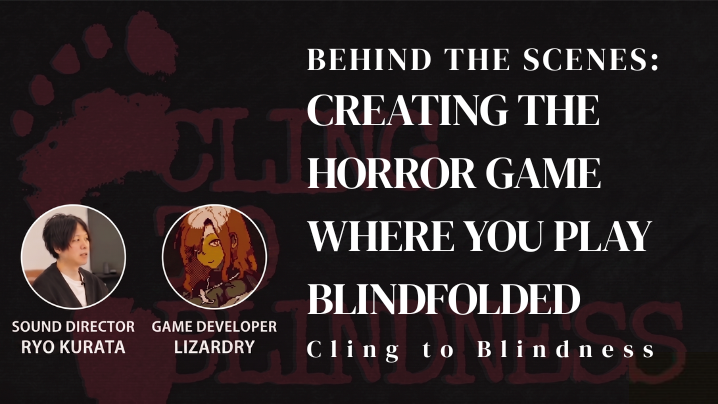
How do you build a game you can’t even see? We sat down with the creator of the breakout horror game Cling To Blindness, which launched on November 7, 2025 to go behind the scenes of its unique development.
Joined by the game’s creator, Lizardry, and Ryo Kurata from G-angle’s sound production team, we explore the mechanics of a “visual-less” experience. In a game where the monitor stays dark and players must rely entirely on their ears to find the exit, sound isn’t just an atmospheric layer: it’s the entire world.
From the technical challenges of “visualizing” a map through audio to the secret origin of the eerie Ashioto-san sound, we’re diving deep into how this sensory experiment came to life.
Profile

Lizardry
Indie Game Developer
Lizardry is the solo creator behind acclaimed titles such as 7 Days to End with You and Refind Self. Their latest release is the sensory-based horror game Cling to Blindness.
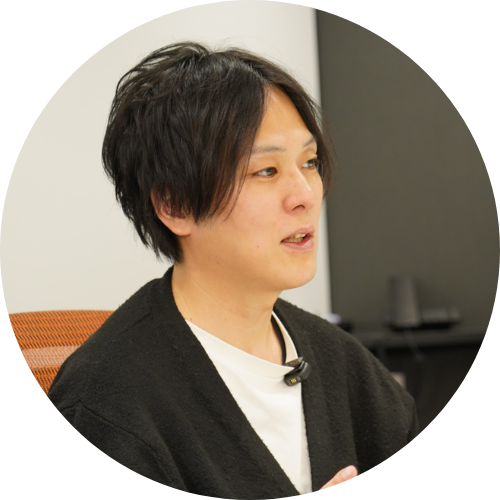
Ryo Kurata
Sound Director & Composer, G-angle
Ryo oversees all aspects of audio production, from composing original music and BGMs to sound design, mixing (MA), and game engine implementation. With roots in the band scene, his versatile style spans everything from J-Pop and idol music to anime soundtracks.
Full bio & portfolio (Japanese only): https://sound.g-angle.co.jp/creator-director/ryo-kurata
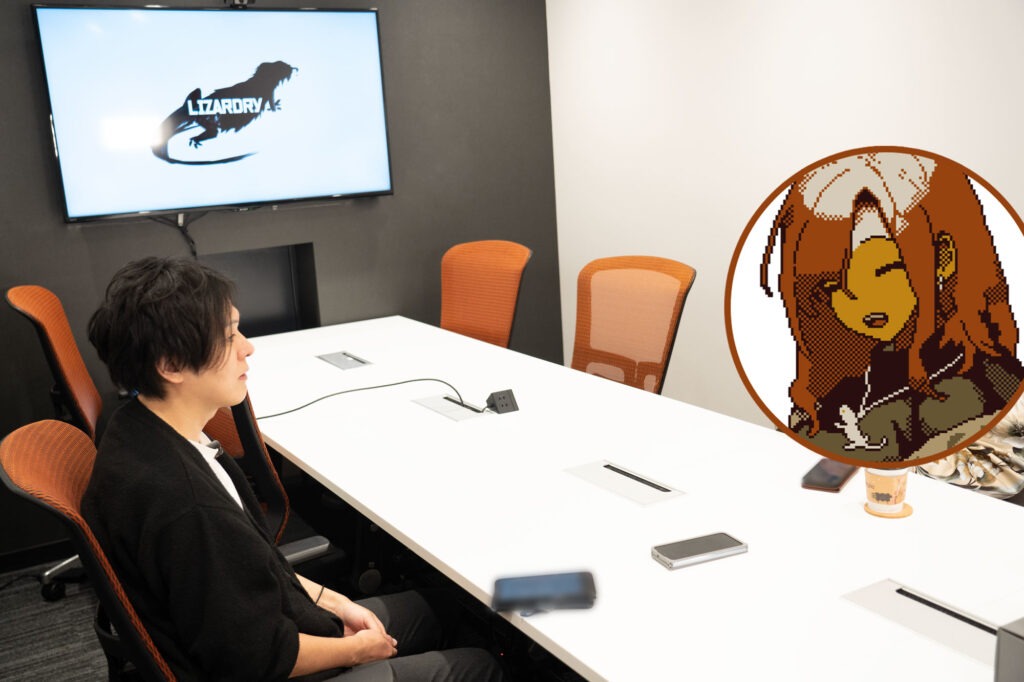
A Visual-Less Challenge: Why a Horror Game Chose to Skip the Jumpscares
—A game with no visuals is a bold and novel concept. Could you tell us how the project first came to be?
 Lizardry
The seed of the idea actually started while I was working on my previous title, Refind Self: The Personality Test Game. I remember thinking, “I’d love to make a game driven entirely by sound, and horror would be the perfect fit for that.”
To be honest, though, I got so wrapped up in other ideas after that launch that I completely forgot about it! (Laughs)
It wasn’t until earlier this year that the idea came back to me. I put together a quick prototype, realized the mechanics actually held up, and decided to dive into full-scale development. While “audio-only” games do exist, I’d never really seen one specifically in the horror genre, and I felt like that was a space worth exploring.
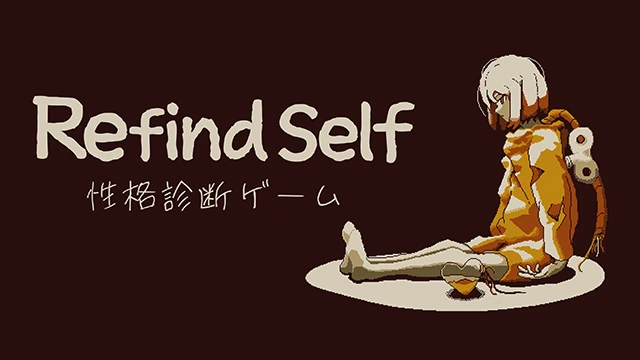
※1: Lizardry’s previous title, Refind Self: The Personality Test Game.
—Wait, just this year? That’s a much shorter development cycle than I expected.
LizardryIn terms of actual development time, yes. I actually had several other projects in the works simultaneously, so for a long while, this game was in a cycle of “prototype, pause, repeat.”
I usually decide whether a project is worth a full release only after the prototype is complete. During that stage, I don’t just rely on my own gut feeling: I have people around me playtest it to gather feedback.
One thing I prioritize is accessibility: “Can someone who doesn’t usually play games enjoy this?” That’s why I typically aim for mobile-friendly designs, though this particular title is a Steam exclusive.
—That makes sense! Your previous titles reached such a broad audience because even though the mechanics were accessible to non-gamers, the stories were deeply immersive. Was your announcement that “there are no jumpscares”※2 intended to lower the barrier for entry even further?
※2: Jumpscare: A common horror trope used to startle the audience with sudden loud noises or jarring visual changes.
LizardryExactly. To start with, I’m actually not a fan of horror games myself! (Laughs)
Beyond that, when you are relying entirely on audio, a sudden loud blast of sound is more likely to be physically painful or irritating than actually “scary.” Because of that, I decided to skip jumpscares entirely.
The feedback from players has been fascinatingly polarized. Some say, “It wasn’t scary at all,” while others tell me, “It was so terrifying I couldn’t finish it.”
Because there are no visuals to ground the experience, the horror happens entirely in the player’s imagination. It’s been really interesting to see how the game’s impact shifts based on each person’s individual sensitivity and internal world.
—I imagine creating a world without any visuals brought its own unique set of challenges.
LizardryIn the beginning, prototyping was actually very fast because I didn’t have to worry about creating art assets.
However, once we got into the thick of development, I realized that building a game this way was far more difficult than the traditional process. Since we didn’t have the “standard” visual cues or UI elements that players usually rely on for guidance and settings, the hurdle was much higher than I anticipated. In the end, the extra work created by the lack of visuals far outweighed the time saved by not having graphics.
While writing the script, I’d often stop and think, “Wait… can I actually convey this through sound alone?” It was a constant process of discovery.
It was also my first time working with voice actors. I had to be very careful about how much information we could pack into the dialogue without it feeling like forced exposition. I didn’t want the characters to sound like they were just explaining the game to the player.
Ultimately, the voice actors’ incredible performances are what made it all work. They truly brought the story to life, and I couldn’t be more grateful to them.
Slapping Myself to Perfect the “Footsteps”
—This was your first time working with professional voice actors, and you landed legends like Mariya Ise and Kotono Mitsuishi! Was that your specific request, Lizardry?
LizardryIt was a collaborative process. I had a rough vision, but I consulted with the team at G-angle about the vibe of each character. They provided several great suggestions, and we narrowed it down from there.
Because the game has no visuals, the weight of the performance was everything. I needed actors who could convey an entire world through their voices alone, and they were absolutely incredible. We didn’t even have character designs to show them, so it’s no exaggeration to say that they were the ones who truly breathed life into these characters during the recording sessions.
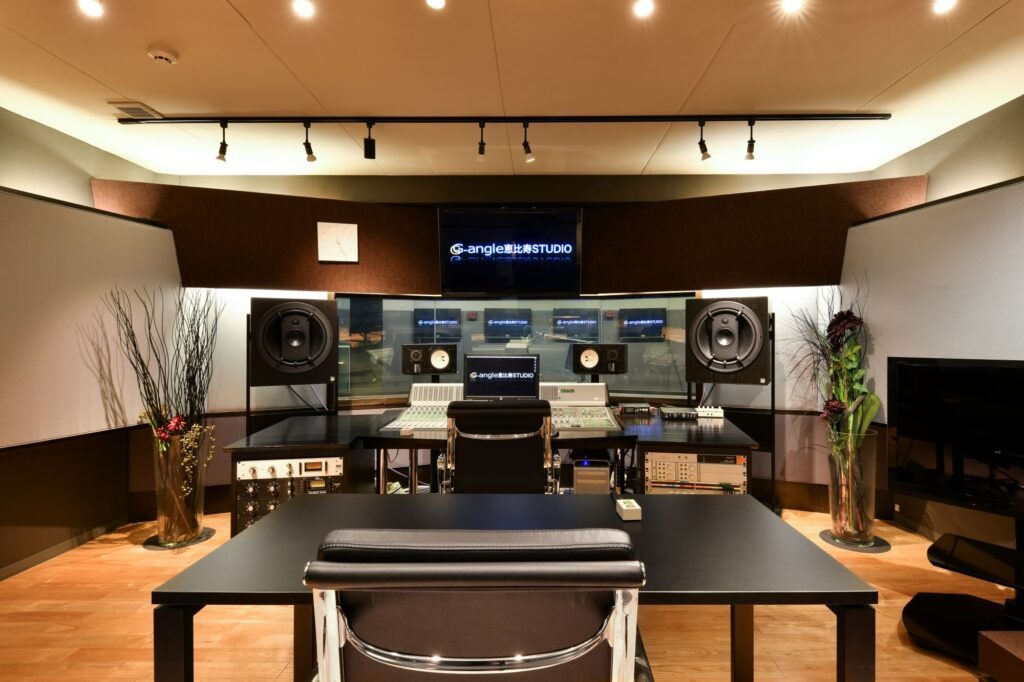
Inside the G-angle Ebisu Studio, where the voice recording sessions were held.
—I noticed you intentionally kept the characters’ genders ambiguous.
LizardryYes, that was very much by design. I wanted to leave things as open-ended as possible. In a game where the player has to rely on their imagination, whatever gender or appearance they envision for a character becomes the “correct” version for them. I really want players to enjoy that process of filling in the blanks themselves.
—Let’s dive into the sound design and music.
 Ryo
RyoHaving worked on Lizardry’s previous titles, I was thrilled to be back. But I have to say, the sound for Ashioto-san was quite the journey: I went through more retakes than I can count! (Laughs)
LizardryI definitely sent you back to the drawing board more than a few times. (Laughs).
RyoRyo: We even had a total 180-degree turn where the entire direction changed right after I thought we were finished! (Laughs). In the end, the brief became quite simple, but it turns out “simple” is the hardest thing to get right. Standard footstep recordings just weren’t hitting the mark.
We talked about how “theatrical” zombie-like steps felt too cliché, but sounds with too sharp an “attack” (initial impact) felt wrong, too. I realized that a conventional approach to sound design just wasn’t going to cut it. To find that specific brand of eeriness, I spent ages experimenting: tapping and slapping different surfaces, and even my own skin, just trying to find that perfect, unsettling sound.
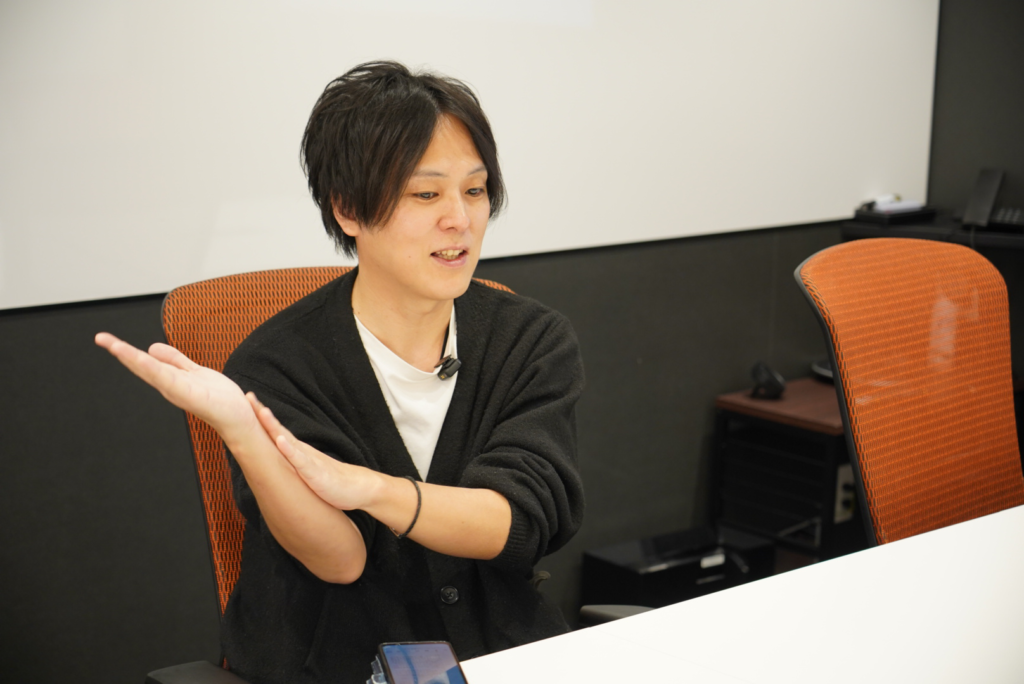
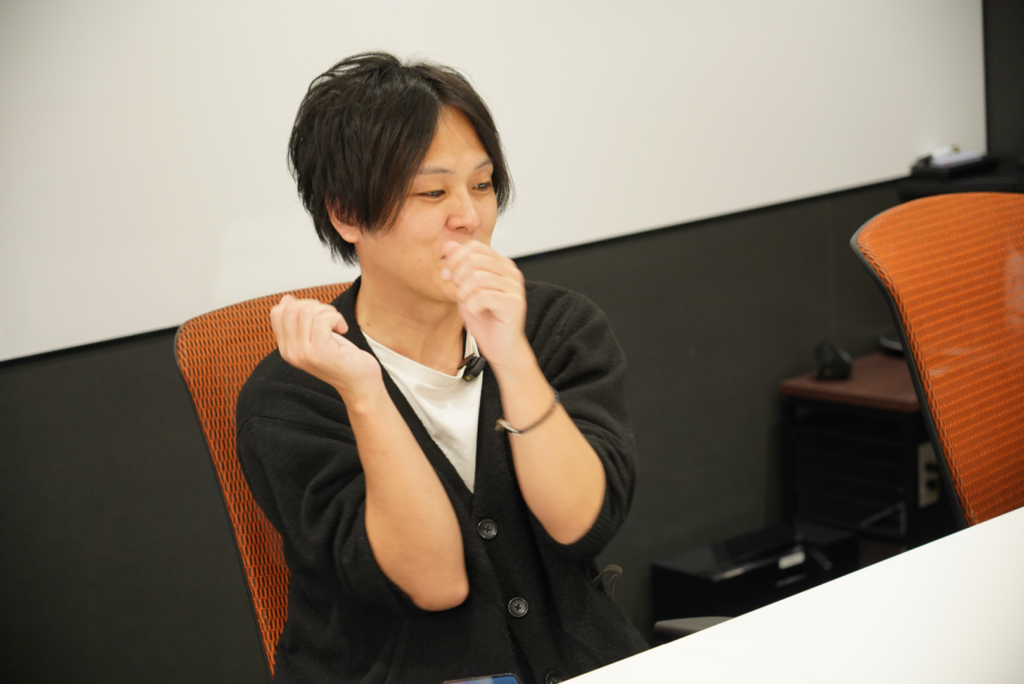
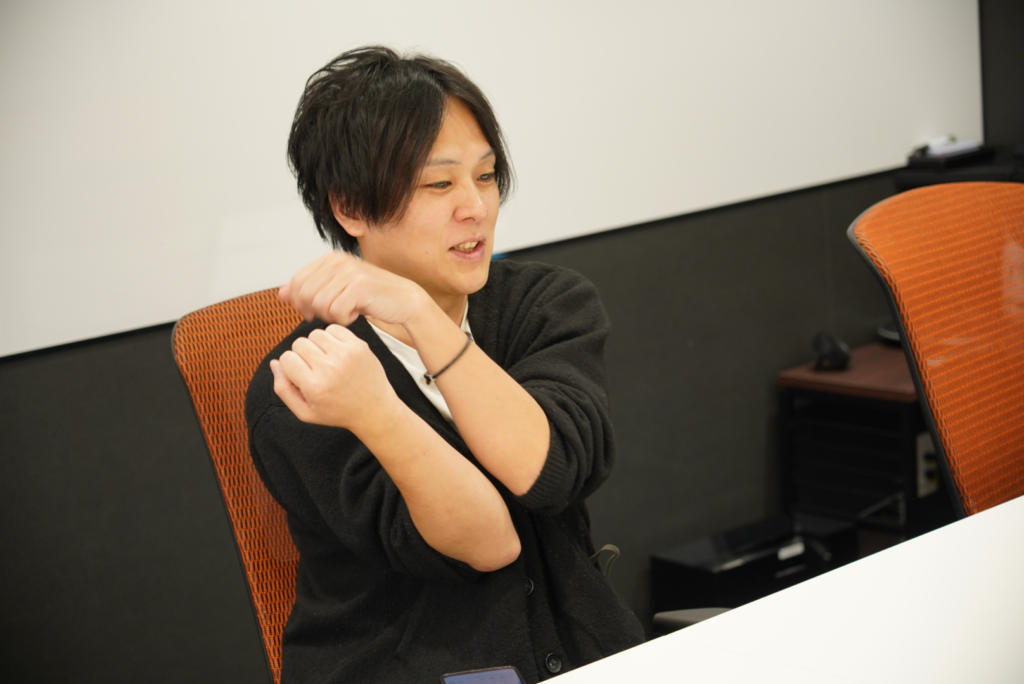 Ryo
RyoFootsteps are surprisingly hard to get right using just your feet! In the end, the version that got the OK was actually created by slapping my hands and arms and then processing the audio. My only worry now is that players might be disappointed to find out, “Wait, it wasn’t a foot sound after all?!” (Laughs).
LizardryI’m actually hearing that for the first time! I had no idea you went to such lengths.
In this game, your “own” footsteps serve a practical purpose—they help you track your location. On the other hand, “Ashioto-san’s” footsteps had to be an iconic symbol of pure dread. Even though they’re both technically “footsteps,” they serve completely different mechanical and emotional purposes.
I know I asked for a lot of revisions, but we really needed that constant back-and-forth to nail the distinction between the two.
RyoIt was all part of the process! Once the overall atmosphere and worldview clicked for me during production, everything else started to fall into place. That’s probably why the wind chime sound, for example, came together so much faster.
—I believe the final game uses a mix of original sounds produced by G-angle and pre-existing library assets.
LizardryThat’s correct. During the prototyping phase, I built the game entirely with library assets. From there, I identified specific sounds where I felt a custom-made approach would really elevate the overall quality and asked G-angle to step in.
It was an iterative process. For instance, with the “wall sounds,” G-angle initially created custom audio for me, but after extensive playtesting, I realized that library assets actually fit the game’s mechanics better in that specific case. Sometimes, for the sake of game design, a simpler asset is actually the right choice.
Fueling Defiance, Not Emotion: The Vision Behind the Ending
—How did you feel about the music?
RyoWe spent just as much time refining the ending theme as we did on the footsteps! It was a request for a genre I didn’t expect. Was there a specific reason behind that choice?
LizardryI really wanted to avoid a “clean,” sentimental ending.
While I did consider going in a traditionally moving or emotional direction, it felt like doing so would invalidate everything the protagonist had gone through. It felt like they wouldn’t truly be saved or rewarded by a typical happy ending. I wanted the music to capture a sense of raw defiance, a spirit of rebellion against the situation they were in.
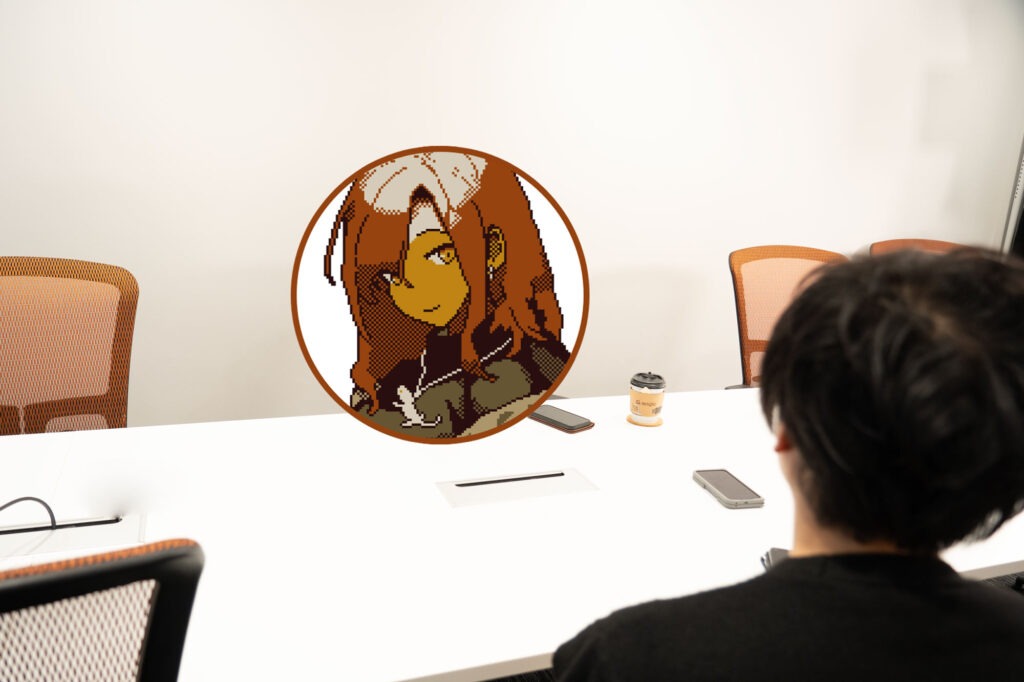 Lizardry
Plus, from a practical standpoint, if we had just stuck with ambient noise until the end, a player wearing a blindfold might not even realize the game was over!
RyoPersonally, the genre you requested was right up my alley! Even so, we ended up in a massive rally of back-and-forth revisions. (Laughs).
At first, the feedback was very technical and specific, but eventually, it just turned into: “Make it even cooler!”
LizardryWe weren’t even planning on having a chorus, but we ended up tossing one in halfway through development. (Laughs).
RyoIt went from a 90-second track to nearly three minutes by the time we were done! (Laughs).
LizardryBut the final result was just incredibly cool. You nailed it.
RyoI’m so glad to hear that! To be honest, to get that core slap sound for the bass solo, I didn’t just rely on cranking up a guitar. I went back to experimenting with my own body: slapping and tapping different surfaces to find a sound that had just the right edge.
LizardryYou really did use your own body as an instrument for so many of these sounds!
RyoAbsolutely. Every time I got feedback from you, I could feel your passion for the project. I was determined to live up to that energy!
From Planning to Debugging: A Seamless “One-Stop” Partnership
—You also partnered with us for your previous title, Refind Self. What made you decide to team up with G-angle again for this project?
LizardryHonestly, the biggest factor is just how easy you are to work with! Having collaborated on Refind Self, the high quality of your work and the mutual trust we’ve built made you my first choice. When I started thinking about who to consult for this project, G-angle was the only name on my list.
For this game, I needed more than just music; I needed sound effects and voice casting as well. Having a single point of contact for everything was a massive advantage.
Because G-angle managed all these moving parts internally, I always had a clear overview of the production status. It allowed the entire team to stay aligned on a single creative vision. Most importantly, it saved me from having to act as a middleman between different vendors, which significantly reduced my management overhead and let me focus on development.
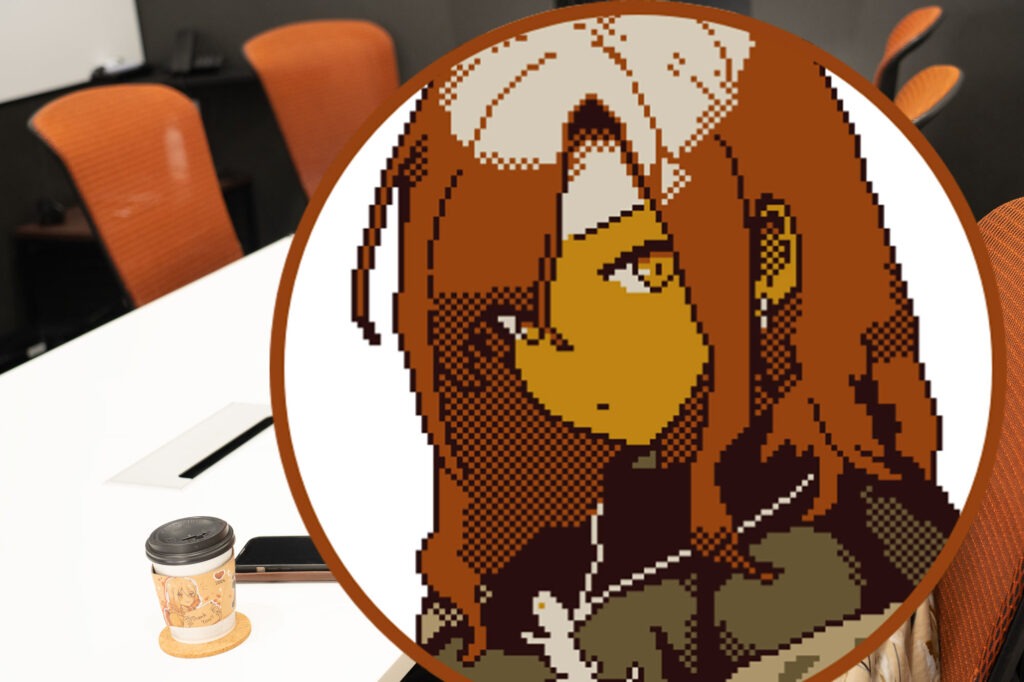
Lizardry speaking passionately during the interview about the project’s creative journey.
LizardryFor the final phase, I requested playtesting from people who aren’t typically involved in game development or professional QA. G-angle stepped up and put together the perfect team for me.
RyoWe were happy to do it! Whenever we’re involved in a project, we’re eager to help out in any way we can; not just with the audio, but across the entire development cycle.
LizardryFor indie developers, hiring a full-scale QA firm can be a huge hurdle. Having a partner who can provide focused, right-sized test-playing support is something I think many creators will find incredibly valuable. While exhibiting at events is one way to get feedback, I don’t do that often, and I usually rely on close friends for early-stage testing. Having professional support at that stage was a game-changer.
RyoSeeing how you handle everything, from the concept and art to the script, programming, and testing, I’m just relieved you haven’t started composing your own music yet! (Laughs).
LizardryWell, I am interested in it… (Laughs).
RyoPlease, leave at least one job for the rest of us! (Laughs).
In Conclusion
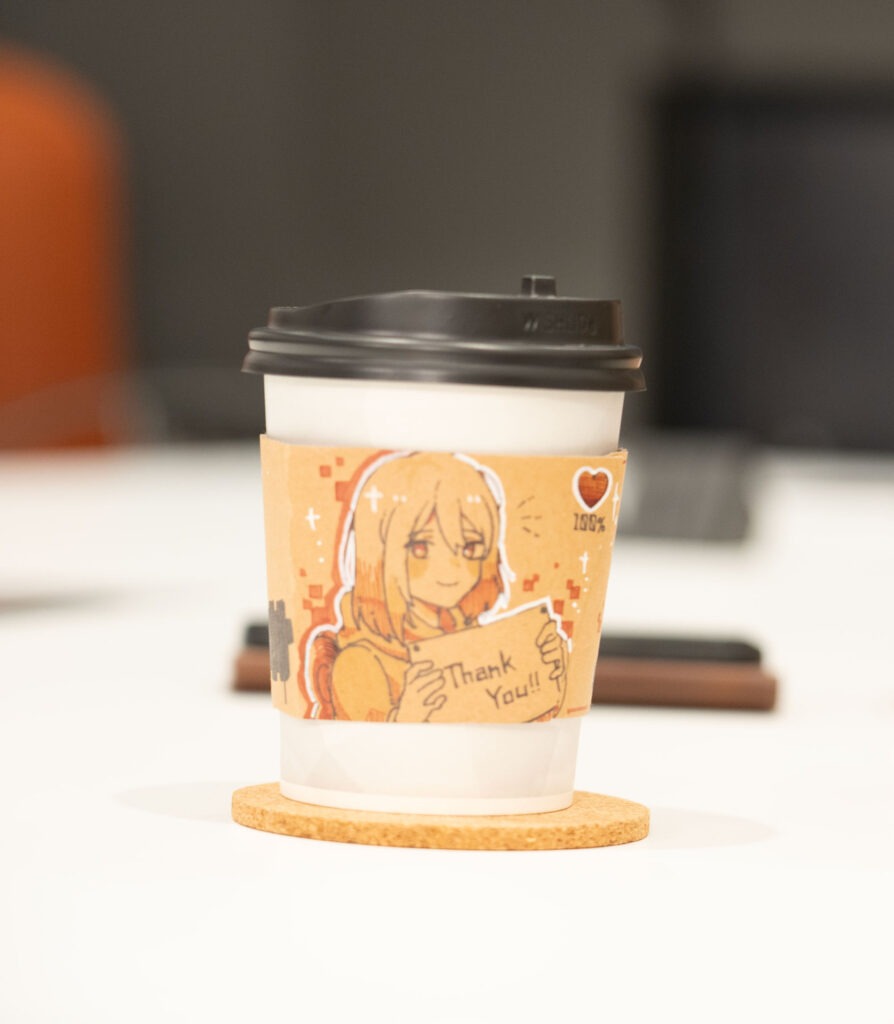
—Any final words for our readers?
LizardryWith so many incredible entertainment options out there today, I want to say a huge thank you to everyone who took a chance on this experimental title. It means a lot that you’ve chosen to play it!
RyoWe’ve poured our hearts into every single sound effect and music track, not just the footsteps and ending theme we discussed today. I hope you’ll turn up the volume and let the audio lead the way. Enjoy the experience!
For those who aren’t fans of horror, Lizardry even included a “Penguin Mode” that changes Ashioto-san’s sounds into cute little penguin pitter-patters. If you haven’t tried the game yet, please give it a go!
Game / Developer Information
- Title: Cling to Blindness
- Players: Single-player
- Release Date: November 7, 2025
- Developer: Lizardry
- Genre: Horror / Adventure
- Platform: PC (Steam)
- Price: JPY 690