

Many composers, singer-songwriters, and band musicians handle both composition and arrangement themselves.
However, you may have found yourself thinking, “I’ve reached the limits of what I can achieve with the instruments and equipment I have. How can I take my music to the next level?”
In this article, we’ll introduce the key points to keep in mind when hiring a professional to arrange your song.
Entrusting the arrangement to a professional can deepen your song’s atmosphere and bring its artistic vision to life, drawing out its full potential.
What Is Music Arrangement? How Is It Different from Composition?
First, let’s look at the difference between music arrangement and composition.
What Is Composition?
Composition is the process of creating a melody from scratch.
For example, deciding that “the chorus of this song will go do-re-mi-re-do” is part of the composition process. In other words, composition is all about creating the melody that forms the foundation of a song.
Even a melody that casually comes to mind while you’re humming is considered a form of composition.
What Is Music Arrangement?
Music arrangement is the process of adding various musical elements and refinements to the melody created during composition.
It involves shaping the overall structure of the song and deciding which instruments to use, both of which play a major role in defining the song’s overall sound and feel.
In many cases, arrangement is the process of creating the instrumental parts, such as the guitar, bass, and drums, that accompany the main (often vocal) melody.
Why Are the Composer and Arranger Different People?
Composition and arrangement require different skill sets, which is why music production often requires separate composers and arrangers.
That said, there are many cases where one person handles both roles. For example, in Vocaloid music, it’s common for a single person to both compose and arrange the song. There is no rule that says the composer and arranger must be different people.
The Role of Music Arrangement
Arrangement is an essential part of the songwriting process.
In this section, we’ll take a closer look at music arrangement and explore its roles in greater detail.
Role 1: Modifying the Song Structure
While the overall flow of a song may already be established during the composition stage, the arrangement process often involves modifying the song’s structure to make it more engaging and appealing. For example, background music for a film scene might require making the original song shorter than the arrangement on the film’s soundtrack: this is a job an arranger would undertake.
Role 2: Choosing the Instrumentation
During the arrangement process, the instrumentation of the song is determined: will it be an uplifting march with horns? Or a melancholy acoustic guitar? These choices significantly influence the overall sound of the piece.
Role 3: Creating the Intro and Other Musical Sections
Depending on the song, the intro, outro, and instrumental breaks may also be created during the arrangement stage.
In particular, the intro forms the first impression of a song, so it’s important to create an opening that captures the attention of first-time listeners.
Role 4: Arranging Existing Songs
Arrangement isn’t limited to the initial songwriting process. It can also involve rearranging songs that have already been completed:popular examples include band arrangements and orchestral arrangements of existing music.
Where Can You Hire a Music Arranger?
You can hire someone to handle the arrangement of your own song, either by commissioning an independent creator through a skill marketplace or working with a music production company.
If you’re looking to keep costs down, a skill marketplace is a good place to find an arranger. However, if quality is your top priority, such as incorporating live instrument recordings or creating an orchestral arrangement, it’s best to hire a professional music production company.
Why It’s Best to Hire a Professional Arranger or Music Production Company
A great arrangement requires not only creativity and musical sense, but also extensive knowledge of musical instruments, arranging techniques, and professional production tools.
This is especially true if you’re looking to create a large-scale arrangement, such as an orchestral piece with a wide variety of instruments. In such cases, choosing a music production company with a proven track record is highly recommended.
Tips for Hiring an Arranger

Here are some key points to keep in mind when commissioning an arrangement for a demo, a song with a completed melody, or an existing song.
Prepare a Melody Reference
Most music production studios only require a melody they can clearly identify as the starting point for an arrangement—in some cases, even a simple hummed melody is enough!
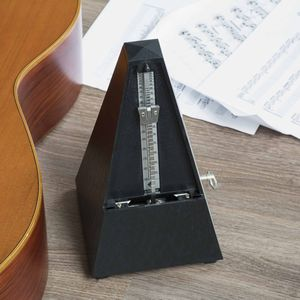
That said, even if you’re only submitting the melody, be sure to record it with a metronome or drum machine. If you record the melody without any sense of tempo , it can be difficult to determine the song’s rhythms and measure structure, making the arrangement process much more challenging.
Even if you don’t own a physical metronome, you can easily find one for free, online or through a smartphone app.
Clearly Define the Song’s Direction
The melody isn’t the only thing that matters. You should also have a clear idea of what you want the arranged version of the song to sound like.
Vague requests such as “make it sound good” are the hardest to interpret, so it’s helpful to at least describe the overall feel, such as “upbeat” or “lofi.”
If you have a specific target audience in mind, such as a particular age group or gender, sharing that information can also help guide the direction of the arrangement.
If it’s difficult to describe your vision in words, providing reference tracks with a similar style or atmosphere can make communication much smoother.
Set Your Budget in Advance
If you want to use live instrument recordings, be sure to plan your budget accordingly.
Using live instruments may increase the production cost compared to a standard arrangement.
If your budget allows, this won’t be an issue. However, if you’re working within a tighter budget, consider discussing alternatives, such as using high-quality programmed instruments to achieve a similar sound.
Trust G-angle for Professional Music Arrangement
If you’ve already composed a song but feel it could be even better, consider hiring a professional for music arrangement.
At G-angle, we offer professional music arrangement services. In addition to arranging songs, we also compose background music (BGM) and sound effects.
If you’re considering music production, including music arrangement, we’d be happy to discuss your project.