Have you ever watched a beautifully animated scene from your favorite anime and imagined what it would look like to bring that same level of animation to your own brand, game, or project?
The expressive characters, cinematic movement, and emotional storytelling that define modern anime have captivated audiences worldwide, with global hits like Demon Slayer, Attack on Titan, and Chainsaw Man reaching viewers far beyond Japan.
But once you start seriously considering production factors like budget and timeline, another question quickly follows: animation that smooth must cost a fortune. So how much would something like that actually cost?
This is where a technique known as limited animation comes into play. Widely used in both Japan and internationally for decades, it offers a practical way to incorporate animation into marketing and storytelling without the scale required for full animation.
In this article, we’ll explore the differences between full animation and limited animation, the strengths of each approach, and the types of projects where they work best. We’ll also look at several real-world examples of companies successfully using animation in their advertising.
If you’ve assumed that “animation commercials = full animation” and dismissed the idea because of cost or production time, you may be overlooking a powerful creative option.
The Difference Between Full Animation and Limited Animation
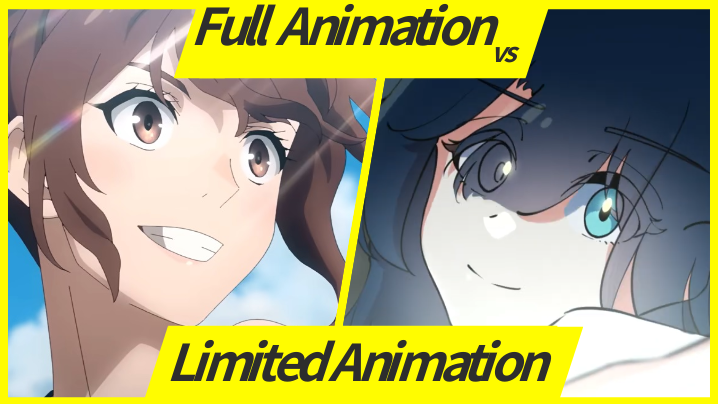
The biggest difference between full animation and limited animation lies in the number of drawings used per second of animation.
| Full Animation | Limited Animation | |
| Frames per Second | 24 | 8 |
| Animation Style | Smooth, lifelike motion | Movement focused on key elements |
| Production cost* | ¥15,000,000+ | ¥2,000,000–¥5,000,000 |
*Estimates based on G-angle productions. Costs vary depending on project scope and requirements.
Full animation typically uses 24 frames per second. This approach is commonly used when aiming for the highest levels of visual quality and richness, such as in theatrical animation or high-end productions similar to Disney-style animation.
Limited animation, on the other hand, generally uses around 8 frames per second, which is the standard frame count used in many television anime productions.
This difference in the number of frames directly affects the smoothness of motion and overall visual feel of the animation, which in turn influences production cost, timeline, and the types of projects where each approach is most effective.
What Is Full Animation?
Full animation is a traditional animation technique in which each second of footage is animated on ones, meaning a new drawing is created for every frame of the animation (24 frames per second).
Because every frame is unique, full animation uses 24 individual frames per second, which is three times the number typically used in limited animation.
This higher frame density allows for extremely smooth motion, subtle character acting, and highly detailed visual expression, making it the preferred approach for feature films, premium animation projects, and productions aiming for the highest visual quality.
Pros & Cons of Full Animation
The greatest advantage of full animation is the sense of visual richness and production value it delivers.
The depth of character acting, the subtlety of movement, and the level of detail across the entire frame can create an emotional impact that resonates strongly with viewers. (At the same time, anime fans are often quietly wondering just how much budget went into producing it.)
Another key benefit is longevity. Because of its high production quality, full animation is less susceptible to short-term visual trends, allowing the finished piece to remain effective and relevant for years.
On the other hand, the biggest drawback is the significant production time and cost required. Full animation is, quite simply, expensive. Producing animation at this level requires a substantial investment, both financially and in terms of production resources.
Even with our in-house full animation production team at G-angle, projects can sometimes require a budget of around ¥15,000,000 and a production timeline of at least six months. For projects with tighter budgets or schedules, it may sometimes be possible to incorporate limited animation techniques to make production feasible. In other cases, however, the project scope may simply fall outside what can realistically be produced.
For this reason, while full animation can be extremely powerful in promotional content, it is not always well suited to situations that require rapid turnaround or a high volume of content production.
What Is Limited Animation?
Some scenes, such as around the 11-second mark, use limited animation techniques.
Limited animation is an animation technique in which approximately eight unique frames are used per second of animation.
Rather than redrawing the entire frame each time, static elements of the scene remain unchanged, while movement is concentrated in key areas such as the mouth, eyes, or hands where expressive motion is most important.
Because a new drawing typically appears every three frames, this technique is commonly referred to as animating on threes.
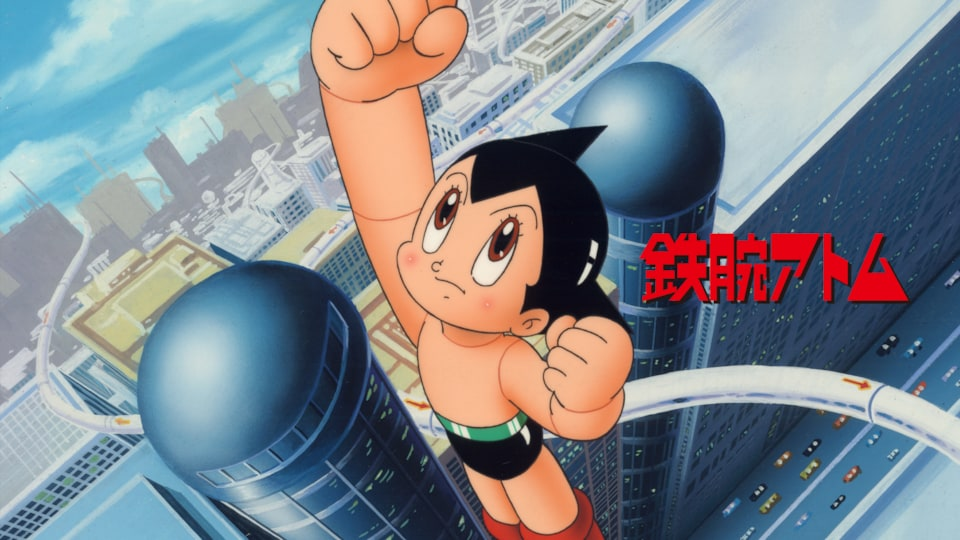
This approach was famously used in early television anime such as Astro Boy, where limited animation techniques made it possible to produce animation efficiently for broadcast television.
Pros & Cons of Limited Animation
The greatest advantage of limited animation is its flexibility. Even when budgets and timelines are constrained, it allows companies to incorporate animation into their projects.
At G-angle, for example, full animation productions may involve teams of several dozen artists. Limited animation projects, on the other hand, can often be produced by small teams of one to five creators. This approach not only helps control production costs, but also enables the creation of stylish, trend-driven animation with a distinctive artistic identity.
Examples include projects such as:
On the other hand, because limited animation typically involves fewer unique frames and more held elements, the range of motion is more restricted than in full animation. As a result, it can be more difficult to achieve the same level of subtlety, cinematic weight, or overall visual richness.
For projects where the goal is to emphasize premium quality or high-end production value, relying solely on limited animation may not always generate the intended impact.
While limited animation is far from static imagery or storyboard-style visuals, the lower frame count can sometimes make viewers perceive the production as simpler or more budget-conscious if the creative direction is not carefully considered.
Full Animation vs. Limited Animation: How to Choose the Right Approach
Now that we’ve covered the differences between full animation and limited animation, along with the strengths and limitations of each approach, a natural question follows:
When should you choose full animation, and when is limited animation the better option?
To help answer that question, here are three key factors to consider when deciding which style best fits your project.
Note: Even in productions described as full animation, not every shot is necessarily animated entirely on ones (24 unique frames per second). In practice, animators often adjust the frame exposure depending on the scene, mixing ones, twos, and threes to balance motion quality, artistic intent, and production efficiency.
Immersion or Impact?
High-intensity action, dynamic motion, subtle changes in facial expressions, the flicker of light, or the movement of hair in the wind, these kinds of details are where animation truly shines.
When the goal is to create deep immersion and tell a story visually rather than through words, full animation is the ideal choice. Brand films and cinematic promotional pieces often rely on this approach to draw viewers into the world of the story.
On the other hand, limited animation can be highly effective when the goal is to highlight a specific moment or create a strong visual impression. By intentionally holding motion or slowing the pacing, key scenes can stand out more powerfully.
Because limited animation leaves more elements static compared to full animation, it also creates space for the viewer’s imagination. This restraint can add a sense of style, atmosphere, and emotional nuance that resonates strongly with audiences.
Long-Term Brand Asset or Short-Term Campaign Content?
Because full animation can take months, and sometimes longer, to produce, it is rarely something you want to use for a single campaign and then retire.
Instead, full animation works best when the goal is to create a piece that becomes a lasting asset for the brand. High-quality animated films can serve as a company’s “visual signature,” continuing to represent the brand for years across multiple platforms and campaigns.
In this sense, full animation is often best approached as a long-term branding investment.
Limited animation, on the other hand, offers greater flexibility. By reducing the number of unique frames and working with smaller creative teams, production timelines can be managed more efficiently while still maintaining a strong creative identity.
This makes limited animation particularly well suited for fast-moving marketing environments, such as social media advertising or seasonal campaigns, where both speed and visual quality are important.
Budget, Timeline, and ROI
In many cases, the practical requirements of production may end up being the most decisive factor. Because full animation requires a very high number of unique frames, both the budget and the production timeline naturally have higher minimum thresholds.
Under conditions such as needing to launch a campaign next month or working within a tightly limited budget, full animation may simply not be a realistic option.
Limited animation, on the other hand, allows parts of the scene to remain static, enabling production teams to concentrate resources on the most important elements such as key moments, character design, and visual highlights.
The real strength of limited animation lies in its ability to maximize impact within a limited budget. With thoughtful creative direction, it is possible to produce animation that feels stylish and visually rich, rather than inexpensive or constrained.
When To Use Full Animation vs Limited Animation?
As we’ve discussed so far, it’s important to remember that full animation is not inherently better, and limited animation is not simply a shortcut or compromise.
Rather than asking which technique is superior, the more important question is what kind of impression you want the animation to leave on your audience.
Each approach has its own expressive strengths. The key is choosing the style that best supports the story, message, and emotional impact you want to create.
Below are some typical situations where full animation or limited animation tends to work particularly well.
Best Use Cases for Full Animation
Because full animation involves significant time, budget, and production resources, it is best suited for projects where the goal is to create a deeply immersive experience. This approach is particularly effective for branding initiatives designed to capture audiences emotionally or reshape how a brand is perceived.
The visual beauty and high level of craftsmanship associated with full animation can also reinforce a sense of premium quality and trustworthiness. For this reason, it is often used in high-profile advertising, particularly television commercials and large-scale brand campaigns.
- Corporate Branding Commercials
Animated brand films can communicate a company’s vision, philosophy, and values in a way that resonates emotionally with viewers and remains memorable long after the campaign ends. - Recruitment Branding Videos
Animation can help reshape industry perceptions or make highly specialized job roles easier to understand and more engaging for potential candidates. In some industries, using animation itself can create a strong impression among younger audiences and early-career talent. - Anniversary and Global Brand Films
Milestone moments such as a 50th or 100th anniversary often call for content that reflects a company’s legacy and vision for the future. High-quality animation can also communicate brand credibility across international markets, even when language barriers exist.
Best Use Cases for Limited Animation
Because limited animation typically requires less budget and shorter production timelines than full animation, it is well suited for projects where speed, flexibility, and trend awareness are important.
In advertising, limited animation is often a better fit for digital campaigns, such as web commercials or social media advertising, rather than traditional television commercials.
- Social Media Ads and Campaign Videos
When the goal is to capture attention instantly in a scrolling timeline and deliver a strong message within 5 to 15 seconds, limited animation can be extremely effective. - Corporate Explainer Videos and Transit Advertising
Limited animation is also useful for explaining complex systems, services, or technologies in a way that is easy to understand and engaging for viewers. It pairs particularly well with visual diagrams and infographic-style animation, making it a strong option for corporate presentations or formats such as transit and taxi advertisements. - Character-Driven, Stylized Content
For projects centered around brand mascots or original characters, limited animation allows creators to emphasize distinctive poses, timing, and personality. In these cases, the focus is less on perfectly smooth motion and more on highlighting the charm, design, and individuality of the character.
Animation Case Studies in Marketing
So far, we have explored the differences between full animation and limited animation, along with the types of projects where each approach tends to work best.
Next, let’s look at five examples of how companies have successfully used animation in their marketing, from brand storytelling and recruitment to long-term awareness building.
As mentioned earlier, many productions combine both full animation and limited animation techniques, so the examples below focus more broadly on successful uses of animation rather than strictly separating the two styles.
View counts and other metrics are accurate as of January 2026.
Case Study 1: Marukome Co., Ltd.
Marukome is a well-known Japanese food company specializing in miso products. Its long-running advertising series for “Ryotei no Aji,” one of its flagship miso brands, uses animation to portray heartfelt family stories that reflect the warmth and comfort associated with traditional Japanese cuisine.
One installment in the series, “Ryotei no Aji Liquid Miso – Always Together” (90 seconds), has accumulated approximately 2.5 million views on YouTube since its release in January 2020.
The series is widely regarded as a successful example of how animation can be used in corporate advertising to create emotionally resonant storytelling around a food brand.
Case Study 2: Z-kai
Z-kai is a Japanese education company known for its university entrance exam preparation programs.
Its animated commercial “Cross Road” tells the story of two students navigating the challenges and emotional pressure of preparing for university entrance exams.
The project was directed by Makoto Shinkai, the acclaimed anime director behind works such as Your Name and Weathering With You. Character design was handled by Masayoshi Tanaka, known for Toradora!, while the music was performed by singer Yanagi Nagi.
Since its release in February 2014, the video has received around 14 million views, and it is widely credited with helping refresh the company’s brand image through emotionally engaging storytelling.
Case Study 3: Shimadzu Corporation
Shimadzu Corporation is a global Japanese manufacturer of precision instruments used in fields such as healthcare, scientific research, and industrial measurement.
To celebrate its 150th anniversary, the company released an animated film set in Kyoto in 1877, the year the company was founded. The story follows founder Genzo Shimadzu, conveying his vision and entrepreneurial spirit across generations.
The animation received the Silver Award in the Original Content category at the Kyoto Anime Manufacturing Award 2025, highlighting how animation can effectively communicate a company’s heritage and long-term vision.
Case Study 4: Tamaya Pawn Shop
Tamaya Pawn Shop is a long-established pawn business in Japan. For this campaign, G-angle produced the animated commercial “Entrusted Feelings” (80 seconds), which reimagines the act of pawning an item for cash as a fantastical story about returning to reclaim something precious that was once entrusted to someone else.
The project brought together experienced talent from the anime industry, including Yoshihiro Kanno, who has served as animation director on TV anime such as Solo Leveling. The background art also faithfully recreates the layout and interior details of the client’s actual store.
The commercial was part of a YouTube advertising campaign consisting of five animated spots. The campaign helped increase both brand recognition and engagement among viewers in their 20s and 30s. As a result, the number of pawn transactions exceeded the previous year’s total for the first time in over a decade.
Across all five videos, the campaign has accumulated more than one million YouTube views. This particular film also received the Masao Maruyama Award (Special Prize) at the 3rd Anime Manufacturing Award.
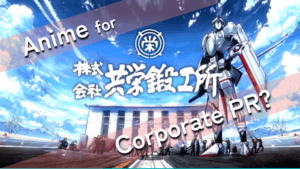
Case Study 5: Kyoei Forging Co., Ltd.
Kyoei Forging is a manufacturing company based in the Tsubame–Sanjo region of Japan, an area internationally known for its metalworking and forging industry. Although the company holds a leading domestic market share in its field, it faced a recruitment challenge. Limited public awareness of the industry made it difficult to attract young talent, many of whom tended to gravitate toward larger, more widely recognized companies.
To address this issue, G-angle produced a high-quality robot-anime-style commercial that reframed the forging industry through a more imaginative and visually engaging lens. The campaign combined animated storytelling with distribution across social media platforms such as X (formerly Twitter), YouTube, and local television broadcasts.
The commercial received strong positive reactions from viewers, significantly increasing brand recognition within the region. The campaign also delivered a measurable result: job applications doubled compared to the previous year. The project was later recognized with a Silver Award in the Original Content category at the 1st Kyoto Anime Manufacturing Award.
Conclusion
Animation has the power to expand a brand’s world in ways that few other mediums can. At the same time, many companies hesitate to explore it because of concerns about budget, production timelines, or how animation could realistically fit into their marketing.
The key takeaway is that full animation and limited animation are not competing approaches. Each has its own strengths, and the most effective choice depends on your project’s goals, constraints, and the kind of impression you want to leave on your audience.
Smooth, highly detailed motion does not always equal effective communication. What matters most is choosing the style that best supports the story you want to tell.
We hope this article has helped give you a better sense of how animation can be used in different ways depending on the goals of a project. At G-angle, we enjoy working with teams to find the animation style that best fits their ideas, whether that means full animation, limited animation, or another visual approach altogether. We can also help adapt finished animation into vertical formats for social media, and are always happy to talk with anyone exploring how animation might fit into their marketing or creative projects.