Japanese mascot characters have captured hearts far beyond Japan’s borders. From Kumamon’s global fanbase to Miraitowa and Someity representing the Tokyo 2020 Olympics on the world stage, these characters serve as powerful cultural ambassadors.
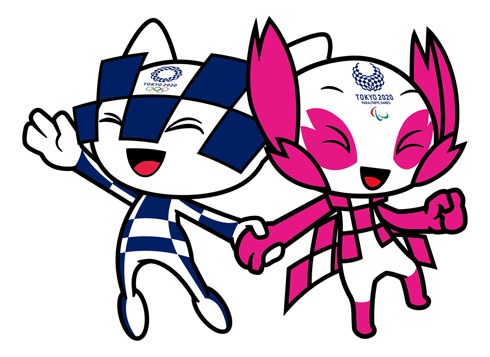
Tokyo 2020 Olympic and Paralympic Games mascots officially debut, named “Miraitowa” and “Someity” (Source: https://nlab.itmedia.co.jp/cont/articles/3280956/)
The mascot phenomenon in Japan has created a rich landscape of beloved characters, each with their own unique personality and visual identity.
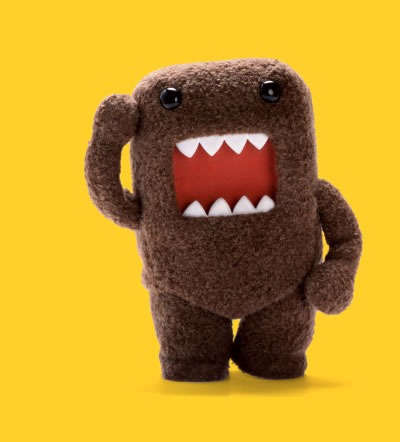
Domo-kun, the official mascot of Japan’s public broadcaster NHK (Source: https://www.nhk.or.jp/domo/character/index.html)
Take Domo-kun, for example. This brown, fuzzy character with his distinctive toothy grin was created by Japan’s public broadcaster NHK, yet he has become a worldwide icon recognized far beyond Japanese television. More recently, Myaku-Myaku, the red-and-blue character for World Expo 2025 Osaka, shows how mascot design continues to push creative boundaries while keeping that approachable, memorable quality that makes these characters so effective.
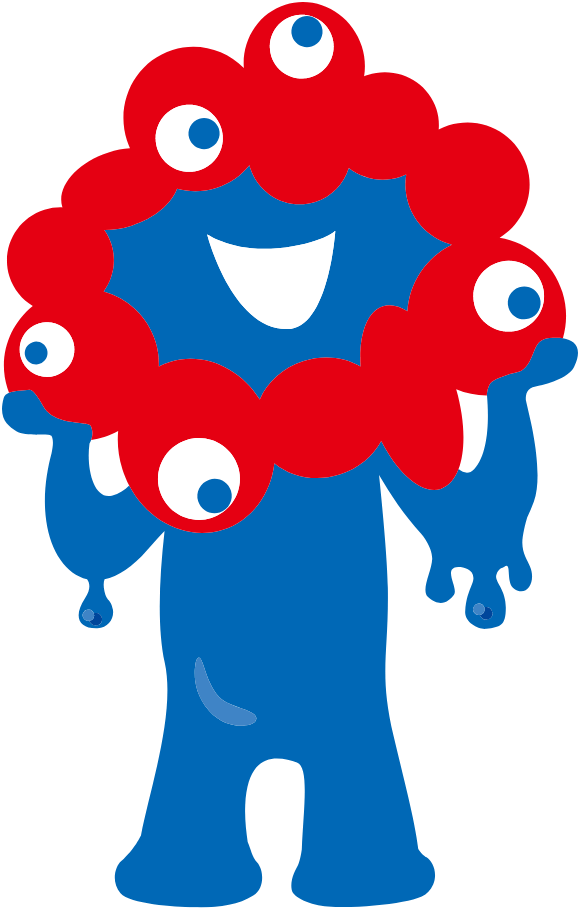
“MYAKU-MYAKU” The official character for Expo 2025. A mysterious creature born from the fusion of cells and water.(Source: https://www.expo2025.or.jp/en/overview/character/)
Original mascot characters are widely used for promotions by companies, schools, and local governments alike, especially in Japan. But what exactly goes into creating a mascot? How can mascots be used to boost brand awareness? And just what kind of character would a given brand’s audience find appealing?
In today’s feature, we’ll be diving into the ins and outs of creating a mascot character: the key points to consider in the design process, and the specific benefits an original mascot can lend to branding.
What Exactly is a Mascot Character?
A mascot character is an illustrative figure designed to symbolize and represent a company, organization, or region. By creating a mascot that aligns with the image of a corporation, municipality, or specific project, organizations can significantly boost brand recognition and achieve crucial differentiation from competitors.
The Japanese Phenomenon of Yuru-chara (Regional Mascots)

One of the most recognizable forms of these characters, especially in Japan, is the yuru-chara (loosely translated as “relaxed characters” or “regional mascots”). These are characters created to symbolize and promote a specific locality, often playing a major role in regional revitalization.
Notable examples of yuru-chara include Kumamon from Kumamoto Prefecture and Hikonyan from Hikone City, Shiga Prefecture.
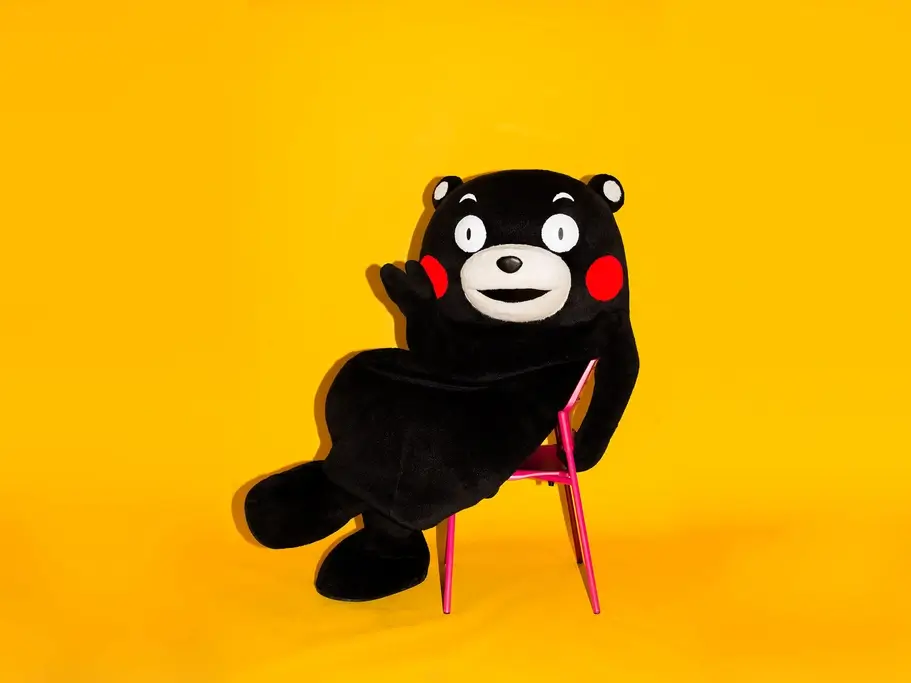
Kumamon debuted in time with the Kyushu Shinkansen. Image via Timeout Tokyo (Source: https://tokyotreat.com/blog/mascot-mayhem-five-animal-icons-youll-love?srsltid=AfmBOorKq8_4ZT1bJ-gkX9BRWXSkgVDrRa2CPHw63uDXN6KjKHB_KZV_)
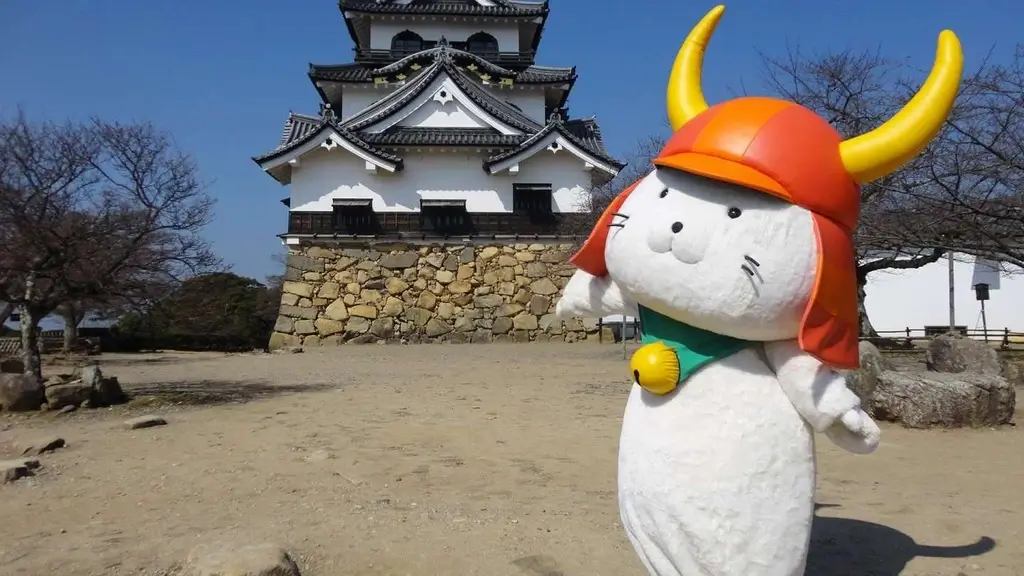
Hikonyan is a reference to the maneki neko (lucky cat). Image via Omi (Source: https://tokyotreat.com/blog/mascot-mayhem-five-animal-icons-youll-love?srsltid=AfmBOorKq8_4ZT1bJ-gkX9BRWXSkgVDrRa2CPHw63uDXN6KjKHB_KZV_)
Yuru-chara like Kumamon are designed to be approachable and often reflect local specialties or unique regional features. They are instrumental in increasing public awareness and serving as a PR tool for the area.
In recent years, we’ve seen a growing trend where corporations are also developing their own mascots, including yuru-chara styles, and successfully incorporating them into their promotional and PR activities.
The Value of “Relaxed” or “Approachable” Mascots
The concept of yurusa, a relaxed, low-stress, or easygoing atmosphere, is often associated with a sense of calm and familiarity, which makes characters widely endearing and easy to love.
Essentially, by embodying this gentle, approachable quality, a mascot can be more readily accepted by a broad audience. Furthermore, when this relaxed quality subtly incorporates regional charms, unique features, or a deep connection to a company or area, the character serves as a powerful conduit. It allows the character’s appeal to translate directly into affection for the organization or region it represents.
The Proven Impact of Mascot Characters
Mascot characters use their visual appeal and distinct personality to cultivate a devoted fanbase, creating a strong and memorable association via their name and appearance.
Furthermore, a mascot allows you to promote your company’s products or services indirectly through the character, significantly boosting advertising effectiveness.
Key Use Cases for Mascots
Mascots are versatile assets that can be utilized across numerous platforms:
- Print and Merchandise: Developing promotional merchandise for trade shows, or featuring the mascot in company brochures and guides.
- Video Content: Integrating the mascot into TV commercials and video advertisements.
- Events and Sponsorships: Using the character in advertisements for seasonal, community, or sporting events.
- Digital Marketing: Deploying the mascot across social media channels and your owned media (company website/blog).
A major advantage is the ability to develop comprehensive public relations centered around the mascot, such as releasing animated videos on platforms like YouTube that subtly introduce your services. If your character is engaging enough to facilitate collaborations with other brands or services, the resulting buzz on social media can generate substantial additional PR value.
Ultimately, one of the mascot character’s greatest strengths is its ability to convey a company’s values and vision, thereby strengthening the overall brand image.
How to Create a Mascot Character

So, how does a company or municipality go about creating a truly original mascot character? Here is our step-by-step guide to the creative process.
1. Define the Core Concept of the Service or Brand
First and foremost, clearly define the concept: the core service, product, or unique characteristic you want the mascot to represent. If there is a disconnect between the brand’s image and the impression the mascot gives, it will confuse your target audience. Defining the concept first is crucial for creating a mascot with strong affinity to your service.
2. Generate Character Ideas
Next, brainstorm ideas for the character. In this stage, you should gather as many potential concepts as possible. However, it is vital that the ideas align with the predetermined character concept to ensure they don’t stray too far from the company’s business or the region’s unique attributes.
3. Translate Ideas into Visuals
Take the approved ideas and begin translating them into the character’s visual design. The key here is to create a look that immediately tells the viewer what the character represents. Create several rough drafts to reflect your company’s vision and the gathered ideas. We recommend developing multiple options for expressions and poses during this rough phase.
4. Finalize the Design and Create the Final Illustration
Finally, select a design and move on to the final illustration phase.
In this stage, you will refine the design’s overall style by adjusting the color palette, line weight, and details to match your vision.
- Pro Tip for yuru-chara: If you are aiming for a softer, more relaxed aesthetic, consider eliminating the outline, or using a very light color for the lines to achieve a gentler atmosphere.
Key Considerations When Creating a Mascot Character

While the creation process is exciting, there are several crucial points to be mindful of when developing a mascot character.
1. Ensure Strong Affinity with the Brand/Region Image
Always prioritize the mascot’s affinity with your company or region’s identity. If your municipality or corporation has established colors, motifs, or symbols, integrating them into the design is an excellent way to emphasize and promote your unique characteristics.
2. Design for Approachability and Appeal
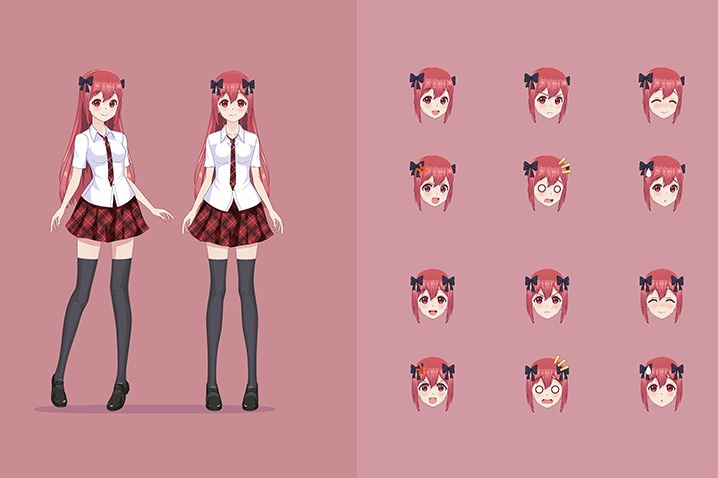
A successful mascot must have an approachable expression and form. Aim for a design that appeals to the widest possible audience, from children to adults. This often involves emphasizing cuteness and a rounded, soft silhouette.
3. Verify Originality and Define Copyright
The copyright for a newly created mascot illustration generally belongs to the creator. If your character’s features significantly overlap with a character already in the public eye, you risk being accused of plagiarism, which can lead to legal issues.
This is especially important when commissioning freelancers or collaborating with a production house. To prevent copyright disputes with any third parties, ensure the rights relationship is clearly defined from the start. This includes thoroughly discussing and formalizing the transfer of copyright from the creator/agency to your company.
Where to Commission Your Mascot Character Production
When you decide to move forward with a mascot character, there are two primary options if you are considering commissioning externally:
1. Commissioning Individual Illustrators or Designers
You can commission the creation of your mascot character directly from individual illustrators or designers, often through gig or freelancer platforms.
- Pros: This approach can often lead to lower production costs. Because you are commissioning directly, bypassing the overhead of a production studio, the pricing tends to be more competitive.
- Cons: Depending on the individual’s workload, it may be difficult to stick to your desired scheduling and deadlines.
2. Commissioning a Production Studio/Art House
The other external option is to work with a dedicated design or creative production studio.
- Pros: Production studios, like G-angle, typically begin with comprehensive discovery and project concept meetings. This reduces the risk of miscommunication and allows for a smoother, more direct process in creating a mascot character that perfectly aligns with your vision. Studios can also guarantee a consistent level of quality, often assigning an art director in addition to the artist.
- Cons: In addition to higher prices, it can be difficult to compare and contrast options. While many studios can produce high quality end products, it is critical to choose a partner with extensive experience and a proven track record in character design, including mascot creation, as relying on an inexperienced firm can lead to issues down the line.
Conclusion
Mascot characters offer a vast array of promotional opportunities for companies and agencies.
A mascot can be a powerful branding tool for your company or product, while also generating attention by building a dedicated fanbase for the character itself.
For the creation of such an endearing character, look no further than G-angle, a studio with a rich and proven track record in character design!
At G-angle, we specialize in a wide variety of content creation, including:
- Original character production
- Character design
- IP and licensed illustration production
And as an all-in-one creative studio, we can facilitate the full-spectrum of mascot integration: creating social media videos that feature your character, generating 3D CG models, and even casting professional voice actors for your character’s voice.
If you want to start on your mascot creation journey, then please reach out to us for all your character-centric needs.