Character-driven promotions continue to gain momentum year after year. More and more companies and local governments are embracing this approach, with initiatives like the Yuru-Kyara Grand Prix keeping mascot- and character-based marketing firmly in the spotlight.
A standout example is Kumamon, Kumamoto Prefecture’s beloved mascot. Products featuring Kumamon generated a staggering ¥1.2 trillion in cumulative sales between 2011 and 2024, making the impact of character marketing impossible to ignore.
That said, even if you’re intrigued by the potential, you might be thinking:
“I’m not sure where to start,” or “We can’t commit a large budget right out of the gate.”
If that sounds familiar, you’re not alone.
In this article, we’ll walk you through how to start character marketing on a small scale, without overextending your resources. We’ll cover the key benefits and drawbacks, explore the different types of character marketing, and share what you should know before getting started.
If you’re considering introducing characters into your marketing strategy, this guide is a great place to begin.
What Is Character Marketing?
Character marketing is a marketing approach that uses “characters” such as mascots, yuru-kyara (casual mascot characters), and VTubers to communicate the appeal of a product, service, or organization in a more engaging and approachable way.
This strategy isn’t limited to companies alone. Local revitalization campaigns led by regional mascot characters, often referred to as “local yuru-kyara,” are also a classic example of character marketing in action.
Examples of Official Characters
Mascot Characters
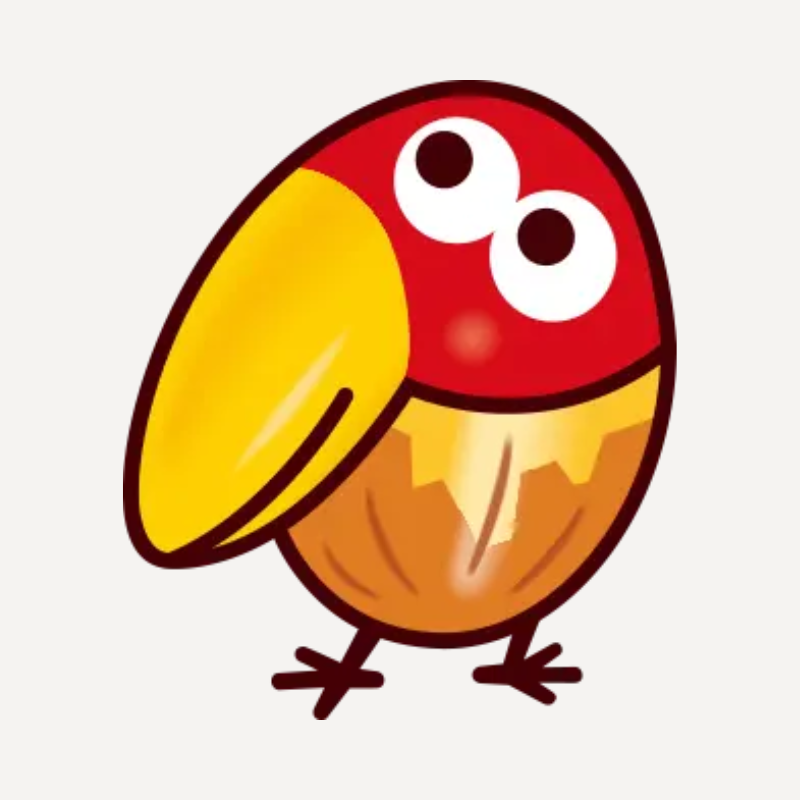
Kyoro-chan, the ChocoBall chocolate snack mascot by Morinaga Seika., a confectionery company in Tokyo, Japan.
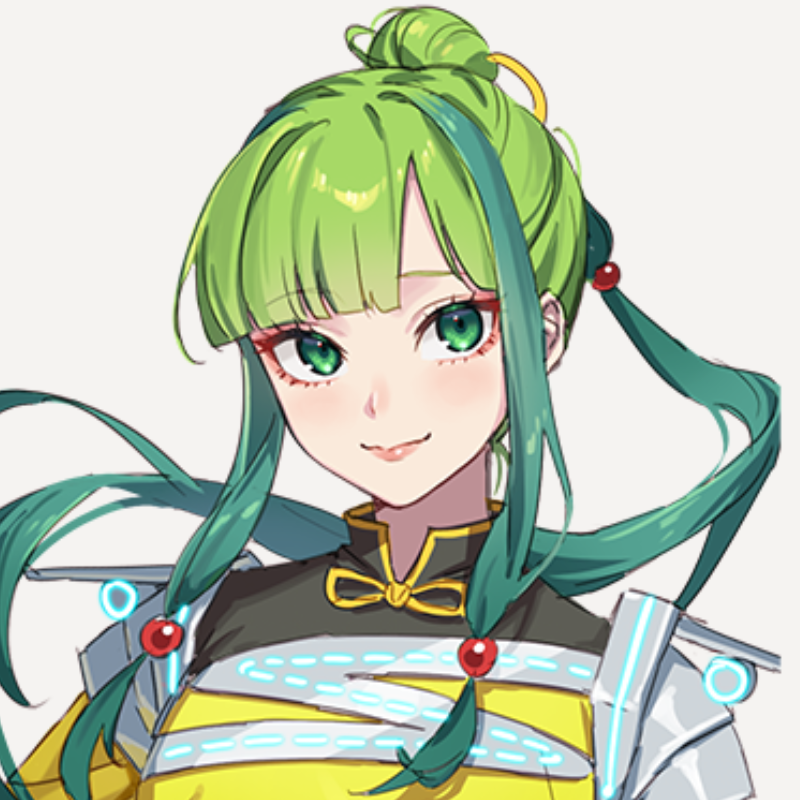
Hisui-chan, the official ambassador for Spring Japan, a low-cost airline under the JAL Group.
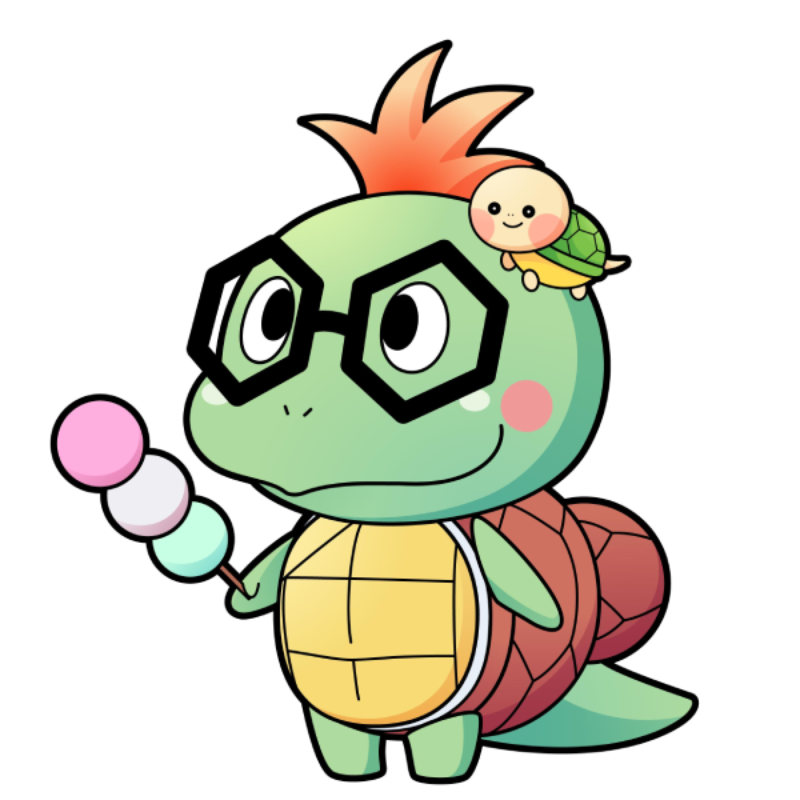
Gurimaru, a newly developed character for GREE, a Japanese technology company.
Local Yuru-Kyara Characters
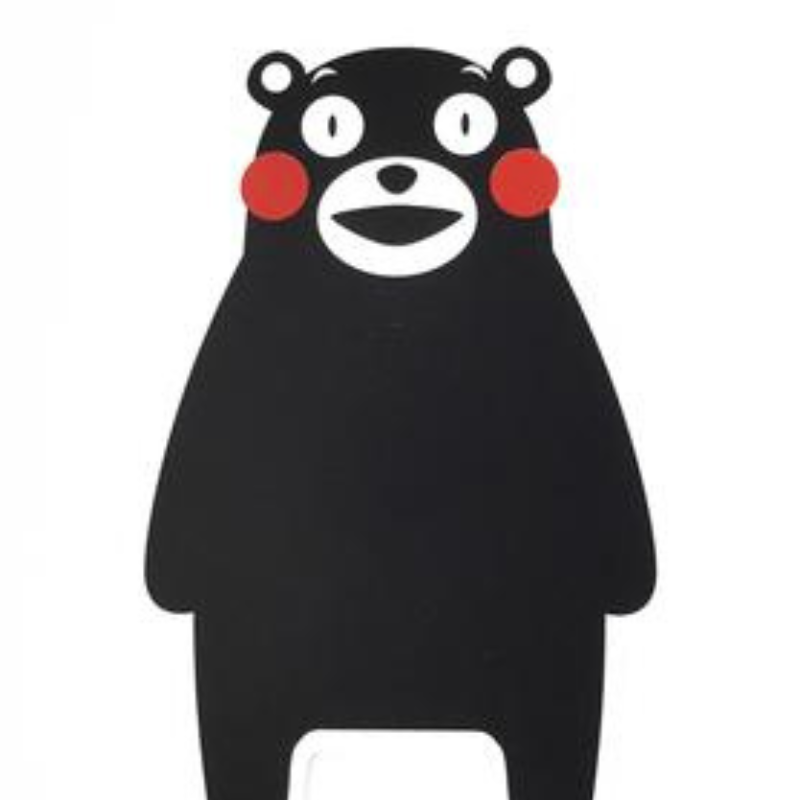
Kumamon, the immensely popular, official bear mascot of Kumamoto Prefecturein Japan, created in 2010 to boost tourism.
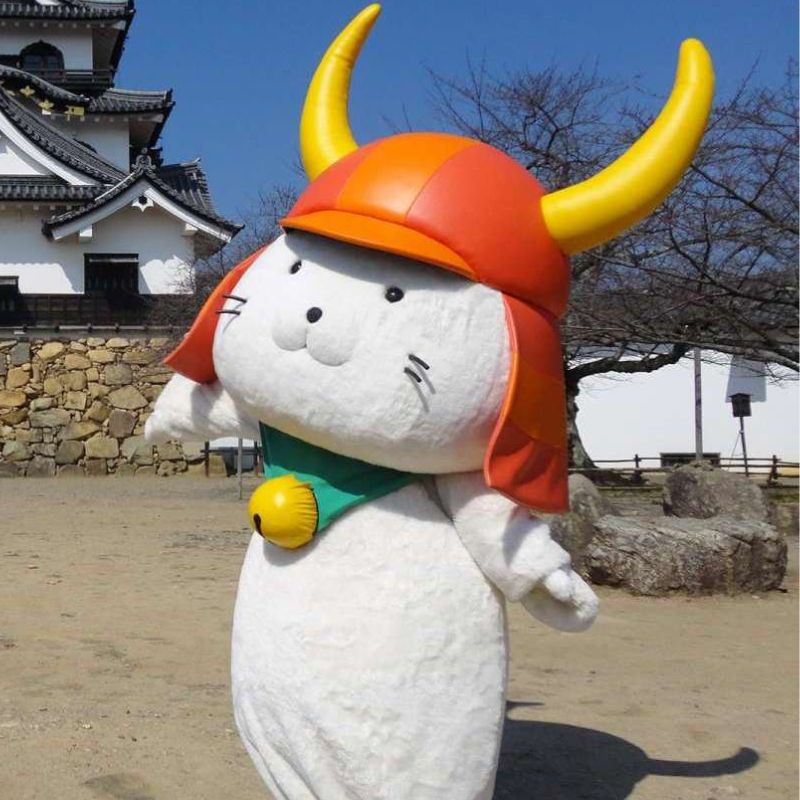
Hikonyan, the popular, white cat mascot of Hikone City, Shiga Prefecture, created in 2007 to commemorate the 400th anniversary of Hikone Castle.
Corporate VTubers
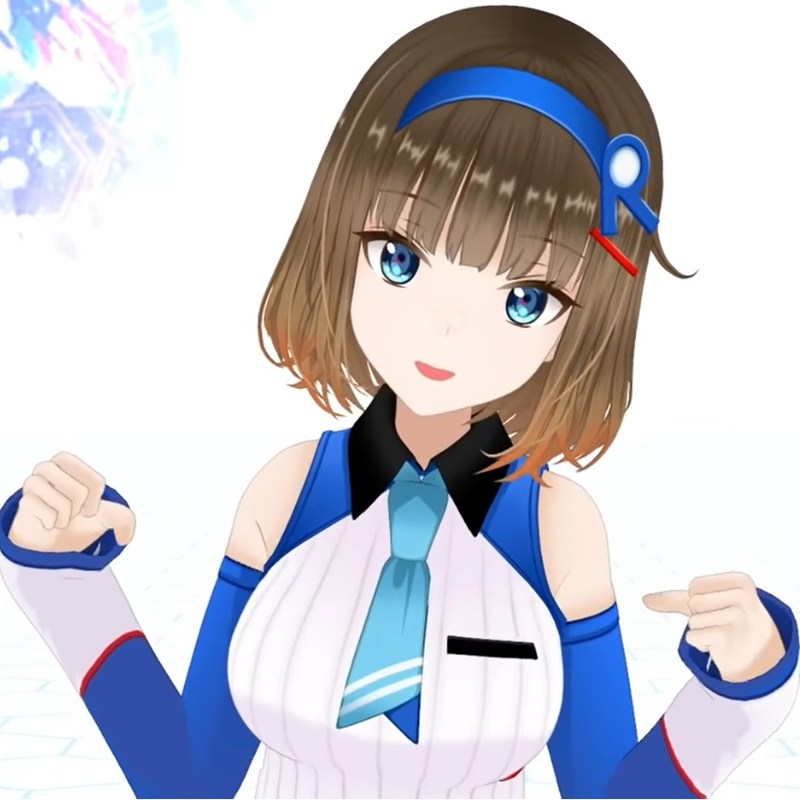
Nebaki Kiyoshi Kokoro(also referred to as Nebasei Kokoro) is a corporate VTuber affiliated with the Japanese pharmaceutical company Rohto Pharmaceutical Co., Ltd.
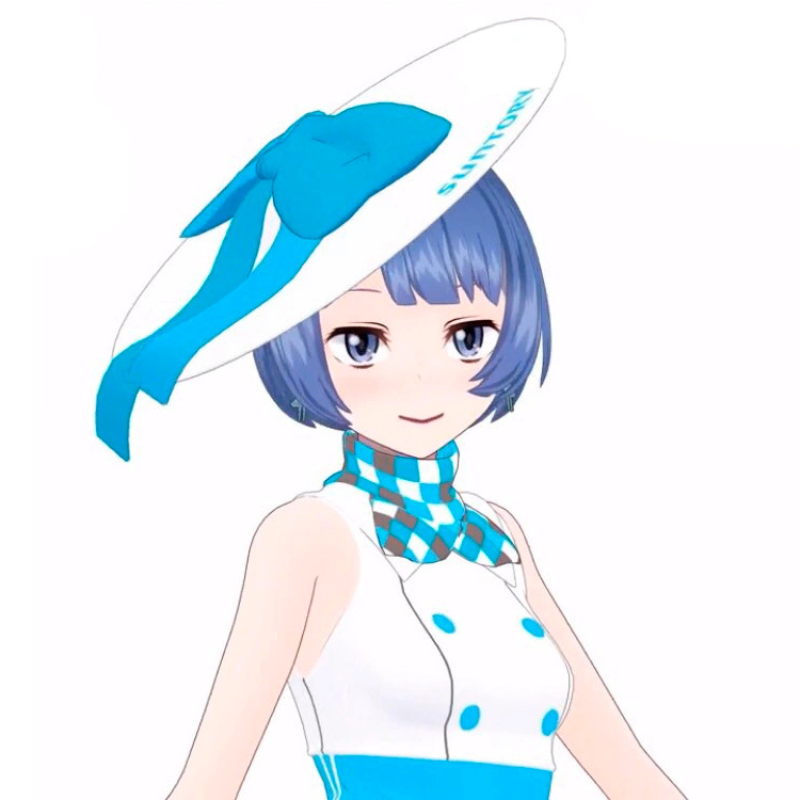
Suntory Nomu is a Japanese VTuber and singer who debuted on August 17, 2018, as a marketing initiative for the beverage giant Suntory Holdings.
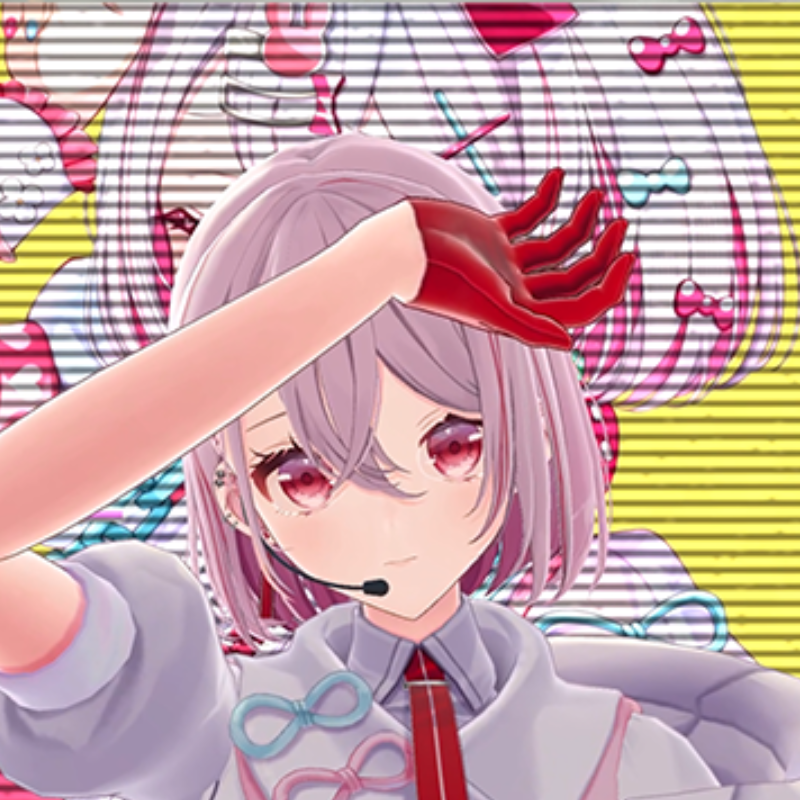
Shushu Hikari is the official VTuber of Esports Challenger’s Park, a premier esports facility in Fukuoka.
When it comes to implementation, character marketing generally falls into one of two approaches (we’ll explore the characteristics of each in more detail later):
- Original Characters
- Creating a character developed specifically for your company or local government.
- IP Collaborations
- Partnering with and utilizing an existing, well-known character.
The Benefits of Character Marketing
So, what exactly do you gain by incorporating character marketing? Broadly speaking, the benefits can be grouped into three key areas.
1) Stronger First Impressions and Brand Recall
Characters have a powerful visual presence that makes them easy to remember. Even in situations where people might think, “I don’t really know what this company does,” or, “It’s hard to picture the service,” a character can instantly grab attention and shift perception from unknown to recognizable.
As a result, character marketing helps you reach audiences you may not have connected with before, while also strengthening your brand’s presence compared to competitors.
2) Effective Across the Entire Customer Journey
The value of characters goes far beyond simple awareness.
They can support every stage of the customer journey. From the initial discovery and interest phase to helping audiences better understand your service, and even right before purchase or after onboarding, characters remain useful throughout. This makes them a versatile asset that doesn’t lose relevance as your marketing efforts evolve.
3) Strong Shareability and Engagement on Social Media
Characters that feel cute, fun, or approachable pair especially well with entertainment-driven platforms like social media, where organic sharing and conversation can happen naturally.
On top of that, the positive emotional associations that characters bring help soften the overt “advertising” feel of campaigns. This can lead to broader reach and engagement while keeping advertising costs more efficient.
Character Marketing: IP Collaborations or Original Characters. Which Should You Choose?
Character marketing generally falls into two main approaches: IP collaborations and the use of original characters. Many people are surprised to learn that these are fundamentally different strategies, each with its own strengths and challenges.
In this section, we’ll break down the pros and cons of each approach, and explore which option makes more sense when starting small.
Pros and Cons of IP Collaborations with Popular Characters
Pros
- Leverages the existing awareness and popularity of well-known characters
- Allows for faster results, often generating impact shortly after launch
Cons
- High licensing costs, typically ranging from several million to tens of millions of yen
- Very limited flexibility due to strict supervision by rights holders, including usage scope and creative materials
- If the character’s image does not align with the brand, the collaboration can have a negative effect
The biggest advantage of IP collaborations is the ability to immediately tap into an existing fan base. This often leads to quicker gains in sales and promotional impact compared to other approaches.
That said, these benefits come at a cost. Licensing fees are substantial, and fan communities surrounding popular characters tend to be highly discerning. If a collaboration is perceived as lacking respect for the character, it can quickly turn into negative branding rather than a positive boost. Careful planning and sensitivity are essential.
Pros and Cons of Creating Original Characters
Pros
- Copyrights and trademarks belong to your organization, allowing long-term and flexible use as a brand asset
- No recurring licensing fees in most cases
Cons
- Building awareness and establishing a character’s image takes time
- Results are slower to materialize compared to IP collaborations
Original characters are often designed to embody a company’s values, products, or services, giving organizations a high degree of creative freedom in how they are used and developed over time.
On the other hand, awareness starts at zero. Growing recognition and affinity takes patience, making it difficult to generate immediate results in the short term.
For a Small Start, Which Is Better: IP Collaboration or Original Characters?
If your goal is to start small, we generally recommend creating and operating an original character.
The main reason comes down to cost.
With IP collaborations, it’s common for a minimum guarantee of several million to tens of millions of yen to be required upfront. On top of that, royalties of several percent to even double-digit percentages of sales often apply. Taken together, this level of investment is hard to describe as “small,” especially for an initial trial.
In addition, IP collaborations typically involve strict design reviews by the rights holder and various limitations on how the character can be expressed or used. These layers of approval can make execution more complex and less agile, which runs counter to the idea of a small, flexible start.
Original characters, on the other hand, do require an initial investment for character design and illustration. However, compared to IP collaborations, the upfront costs are significantly more manageable.
Because all rights belong to your organization, there are no royalty fees, and there are far fewer restrictions on how the character can be used or developed. This flexibility makes original characters especially well-suited for gradual rollout, experimentation, and long-term growth.
The Process of Starting Character Marketing on a Small Scale
So far, we’ve covered the benefits of character marketing and the different approaches available. Now, let’s walk through the practical steps for starting character marketing on a small scale.
What You Need to Get Started with Character Marketing
When it comes to launching character marketing, the answer is surprisingly simple: all you really need is a character illustration.
Even if your long-term vision includes something more advanced like a VTuber, you can’t move in that direction without a solid base character design. If you’re starting with a limited budget, it’s best to begin by creating a character illustration and then consider turning it into an animated or live model later.
Some people associate character marketing almost exclusively with social media. While having active social media accounts does expand what you can do, they’re not strictly required at the very beginning. If you don’t yet have the internal resources to manage social channels, it’s perfectly fine to start without them and add them later as your strategy evolves.
STEP1:Analyze Your Core Target Audience
To make character marketing effective, the first and most critical step is understanding your core target audience.
By clarifying factors such as age range, values, and preferred channels, you can start to see the right creative direction take shape. This insight helps determine whether a VTuber-style character, a mascot, or another format is the best fit for your goals.
STEP2:Develop Characters That Match Your Goals and Target
Using the insights from your audience analysis, the next step is to create a character that aligns with both your target audience and your objectives.
That said, it’s important not to chase audience appeal so aggressively that you lose sight of your brand’s identity or message. A character that resonates but feels disconnected from the company behind it ultimately misses the mark.
As you move into illustration and design, look for the overlap between your audience’s preferences and the core strengths of your product or service.
Giving your character a clear profile, including appearance, personality, and even a simple backstory tied to your company’s origins, adds a human touch. This kind of depth makes characters feel more relatable and helps audiences form a stronger emotional connection over time.
Where to Commission an Original Character
When creating an original character, there are generally two options for commissioning the work: a production company or an individual creator via a crowdsourcing platform.
Below is a high-level comparison of typical costs and considerations for each.
| Production Company | Crowdsourcing / Individual Creator | |
| Illustration Fee※1 | ¥150,000–¥200,000 | ¥5,000–¥70,000 |
| Copyright Transfer | Often included in the base fee | Negotiable (may not be available) |
| Estimated Total | Approx. ¥200,000–¥450,000 | Approx. ¥10,000–¥100,000 |
| Additional Pose Fee | ¥10,000–¥30,000 per pose | ¥5,000–¥20,000 per pose |
※1: In this table, illustration fees include proposal and planning costs (such as brand interviews and motif suggestions), research, multiple concept options, revisions, and final polish.
If you look purely at illustration costs, commissioning work through crowdsourcing platforms or individual creators often appears to be the more budget-friendly option.
(That said, this doesn’t necessarily apply when working with well-known or highly sought-after creators.)
In practice, however, finding a creator whose quality and style truly match your needs can be challenging. Unfortunately, it’s not uncommon for communication to break down partway through a project. Negotiating usage rights, which are essential for flexible long-term character deployment, can also become a source of complications later on.
For these reasons, working with individual creators is generally better suited to those who are comfortable providing hands-on direction. This includes managing rights discussions, payment processes, and giving clear creative guidance throughout the project.
Production companies, by contrast, typically require a higher minimum budget for illustration work. That’s the honest trade-off.
What they offer in return is stability. Quality and production workflows are consistent, they bring insight into current design trends, and they can select the right creators for your goals. In many cases, the process can move forward smoothly with minimal micromanagement.
From a rights perspective, production companies often proceed on the assumption of full rights transfer. Using our own experience as an example, this significantly reduces the risk of disputes down the line and provides greater peace of mind.
If you already have a clear vision and can provide highly specific instructions, it may be possible to commission a production company at a relatively low cost. However, for those new to illustration projects or unfamiliar with creative direction, partnering with a production company is generally the safer and more reliable choice.
STEP3:Launch Initial Campaigns Using the Character
In the initial rollout, it’s best to focus on touchpoints where your existing users and clients are already engaged. Prioritize placements that can be implemented using the completed character design alone, such as:
- Incorporating the character into company presentations and sales materials
- Using the character in printed materials that can be produced in-house
- Updating SNS or LINE profile icons
These low-effort, low-cost applications allow you to introduce the character naturally without overextending your resources.
STEP4:Improve and Refine Based on Audience Response
Once the character is live, start gathering feedback and evaluating its impact. This might include collecting responses from existing clients through surveys or tracking changes in recruitment applications via your website.
While it’s generally best to avoid changes that undermine the original character concept, insights from this validation phase may indicate the need for small refinements. Adjusting aspects such as personality, aesthetic, or background details can help improve alignment without losing consistency.
As your budget grows, or when character initiatives can be bundled into event or campaign budgets, you can gradually expand into additional formats. These might include landing pages, integration into your corporate website, short 15–30 second videos, or even a simple theme song.
By increasing the number of touchpoints where the character appears, you can begin reaching audiences who are not yet familiar with your brand and steadily expand overall awareness.
Frequently Asked Questions

Below are some of the most common questions we hear when companies consider launching character marketing on a small scale.
Q: Can character marketing be done on a limited budget?
A: It depends heavily on the size of your budget and how much support you need.
As outlined earlier in an earlier section, costs vary widely depending on who you work with. Production companies typically range from ¥200,000 to ¥450,000, while crowdsourcing platforms or individual creators may cost ¥10,000 to ¥100,000.
The key question is how much of the process you want to outsource. Do you need in-depth research, concept proposals, and strategic guidance on character personality? Or can those areas be handled internally?
By clarifying which parts you can manage in-house and which require external support, you can align your budget with the right production approach and avoid unnecessary costs.
Q: Can character marketing be successfully handled entirely in-house?
A: In some cases, yes.
It is possible to launch and run character marketing entirely in-house from the start, provided you have the right capabilities in place. This includes audience analysis and targeting, character illustration, ongoing refinement and iteration, and day-to-day social media management.
If your organization is strongly committed to in-house execution from the outset, one viable approach is to build or hire a team that can cover these functions. With the right people and structure, fully internal character marketing can be a sustainable and effective option.
Q: How much does it cost to start character marketing with the help of a marketing or consulting firm?
A: Costs can range from several hundred thousand yen to over a million yen, depending on the scope.
Even at a minimum, properly translating a company’s brand tone and messaging into a character typically requires ¥200,000 to ¥450,000 for character illustration alone. When strategic planning, consulting, and ongoing execution are added, overall costs can increase quickly.
If your goal is to keep the initial investment small, a practical approach is to outsource only the character illustration at the beginning. Then, as your budget grows and your plans become clearer, you can gradually expand the scope of external support to include strategy, planning, and social media operations.
This phased approach allows you to control costs while still building toward a more comprehensive character marketing strategy over time.
Conclusion
In this article, we’ve outlined how to get started with character marketing using a minimal, realistic approach.
Character marketing isn’t reserved for large corporations with massive budgets. Even with a modest investment, it’s entirely possible to build marketing initiatives around a character that represents your product or service in a compelling way.
If character marketing has been on your radar, or if budget constraints have made you hesitate, we hope this guide helps you take that first step with confidence.
That said, character marketing truly begins after the illustration is complete. Successful long-term use depends on how the character is operated and evolved over time. At the same time, the foundation matters. In the earliest planning stages, it’s crucial to clearly define and communicate the worldview, values, and tone you want your company, product, or service to express.
With over 20 years of experience producing content for the games and entertainment industry, G-angle leverages current design trends while staying true to each brand’s unique tone and identity. We specialize in proposing characters that are both strategically sound and creatively engaging.
We also support illustration production for IP collaborations. Whether you’re exploring original characters, considering an IP collaboration, or simply unsure how to approach character creation within your budget, feel free to reach out. We’re always happy to talk through your ideas and help you find the right starting point.